

BIANCO WEEKEND
White asparagus and sea buckthorn,
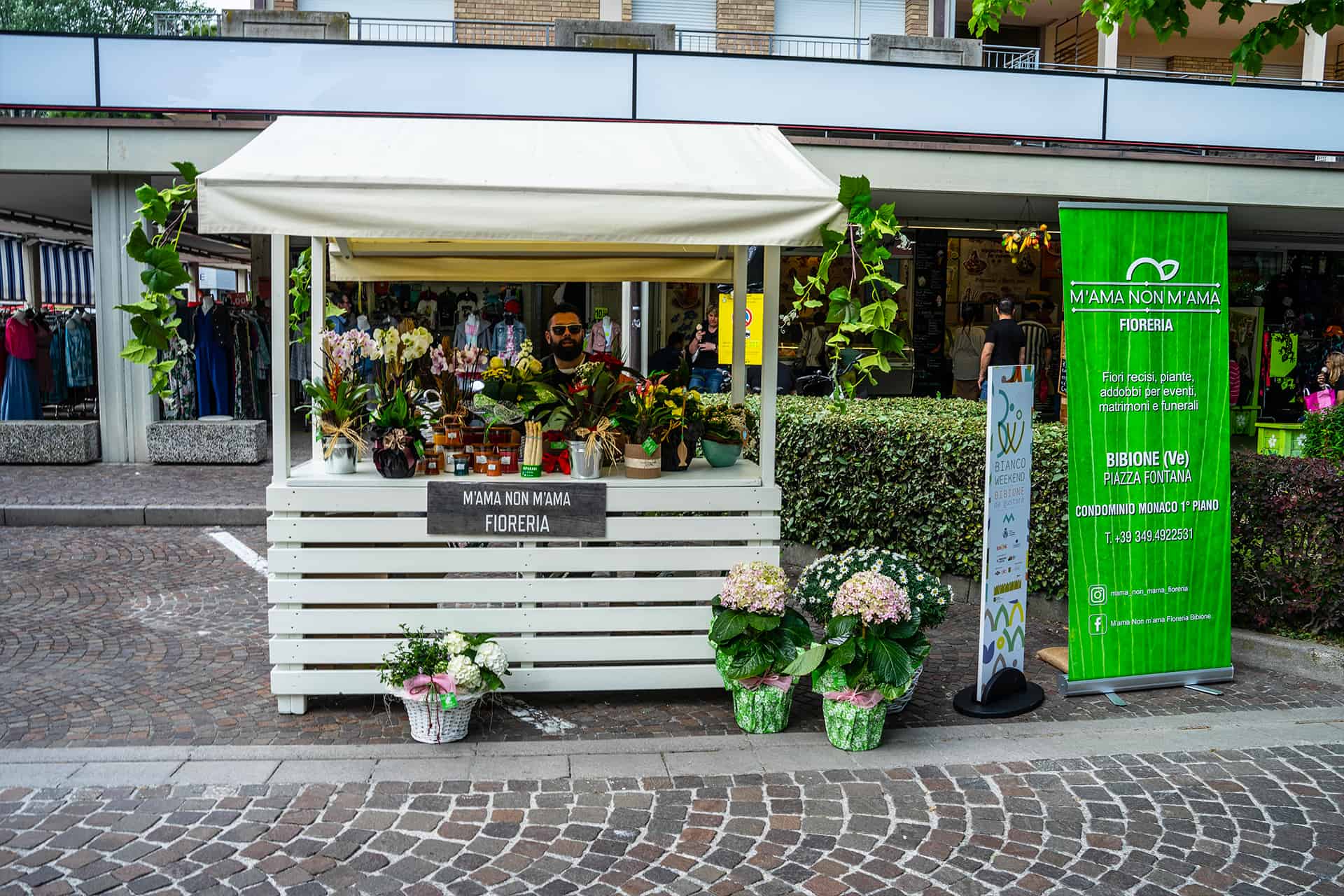
two Bibione's excellencies told through tastings, show cooking and local farm stands
RISTORANTI, CHEF & BARTENDER...
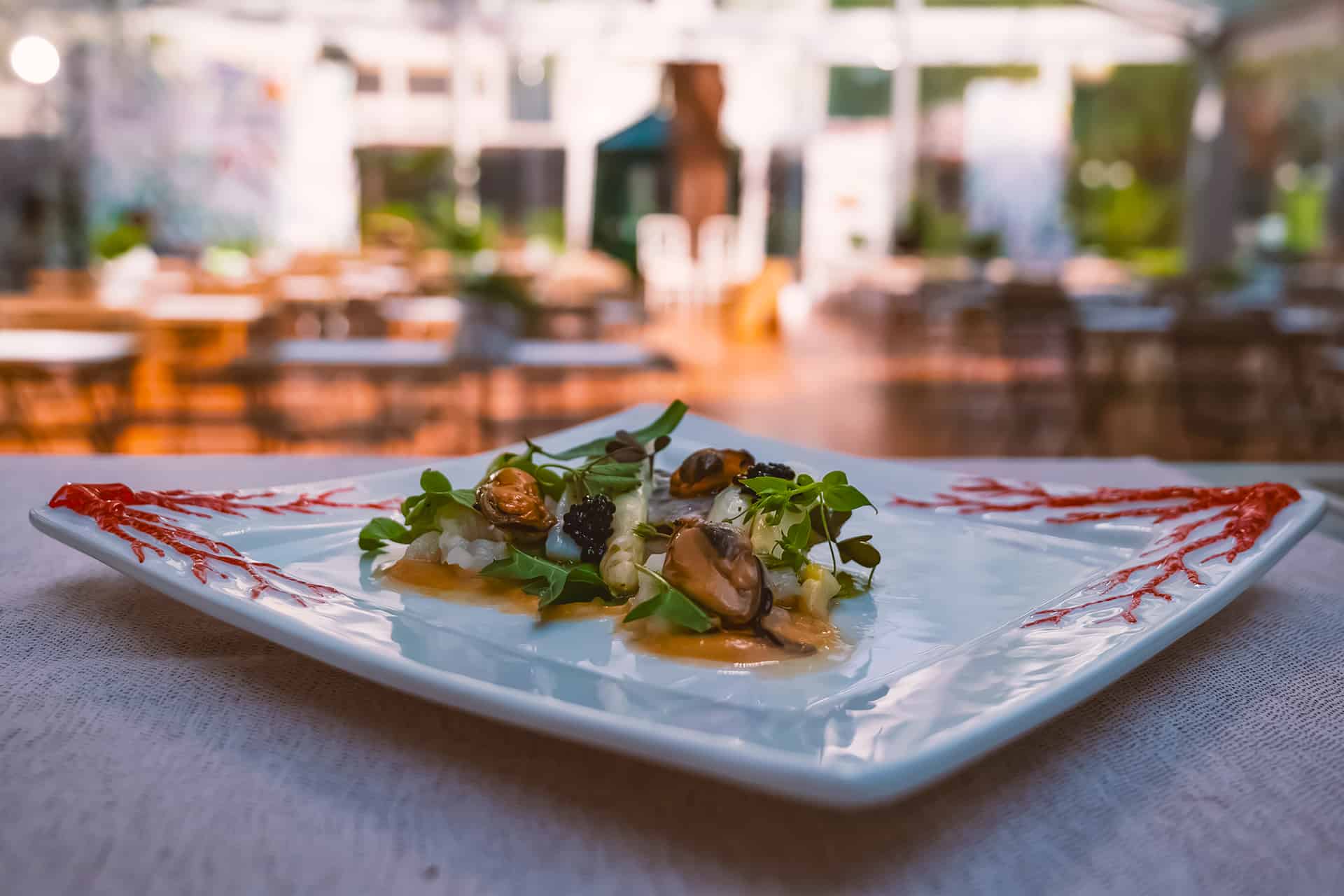
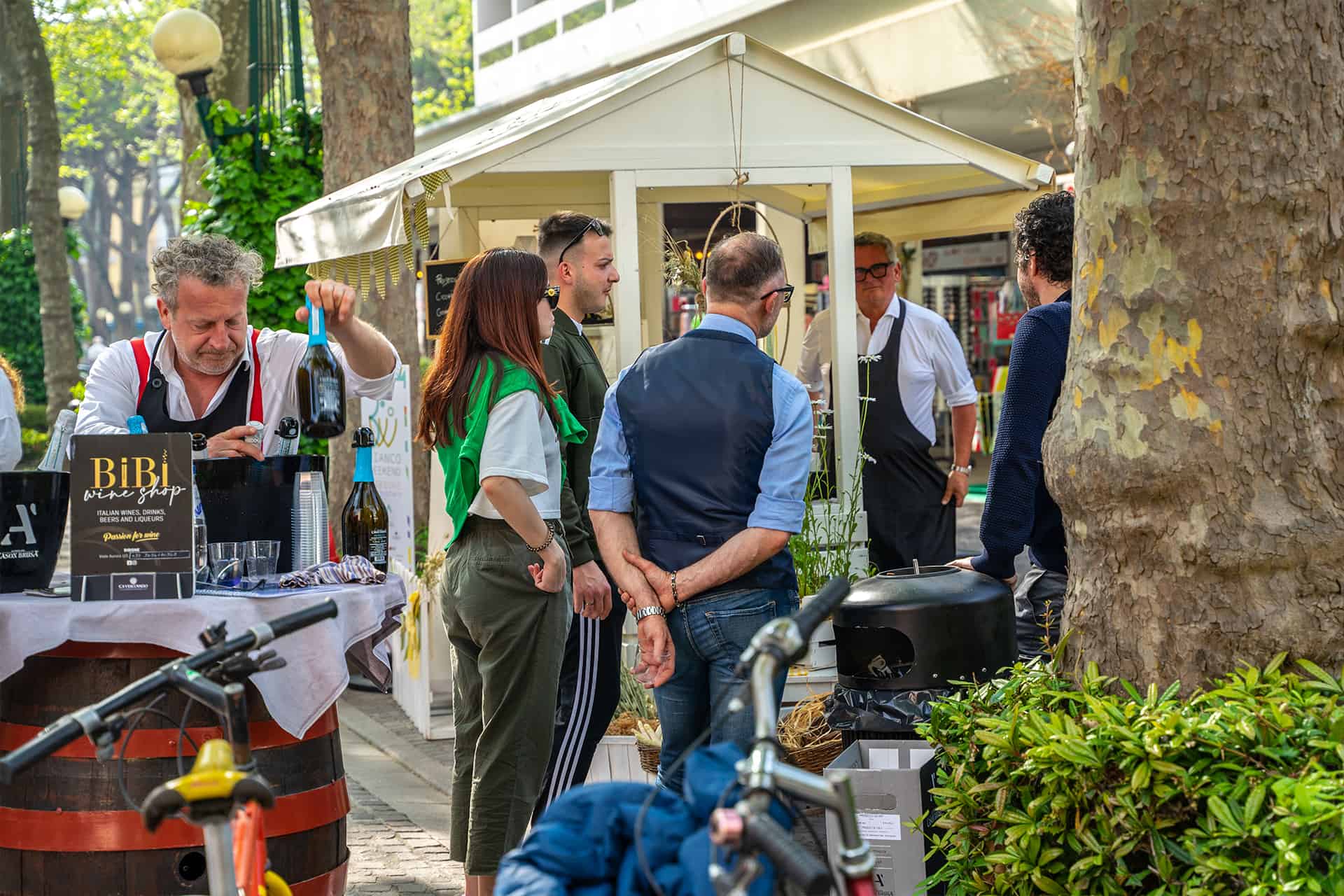
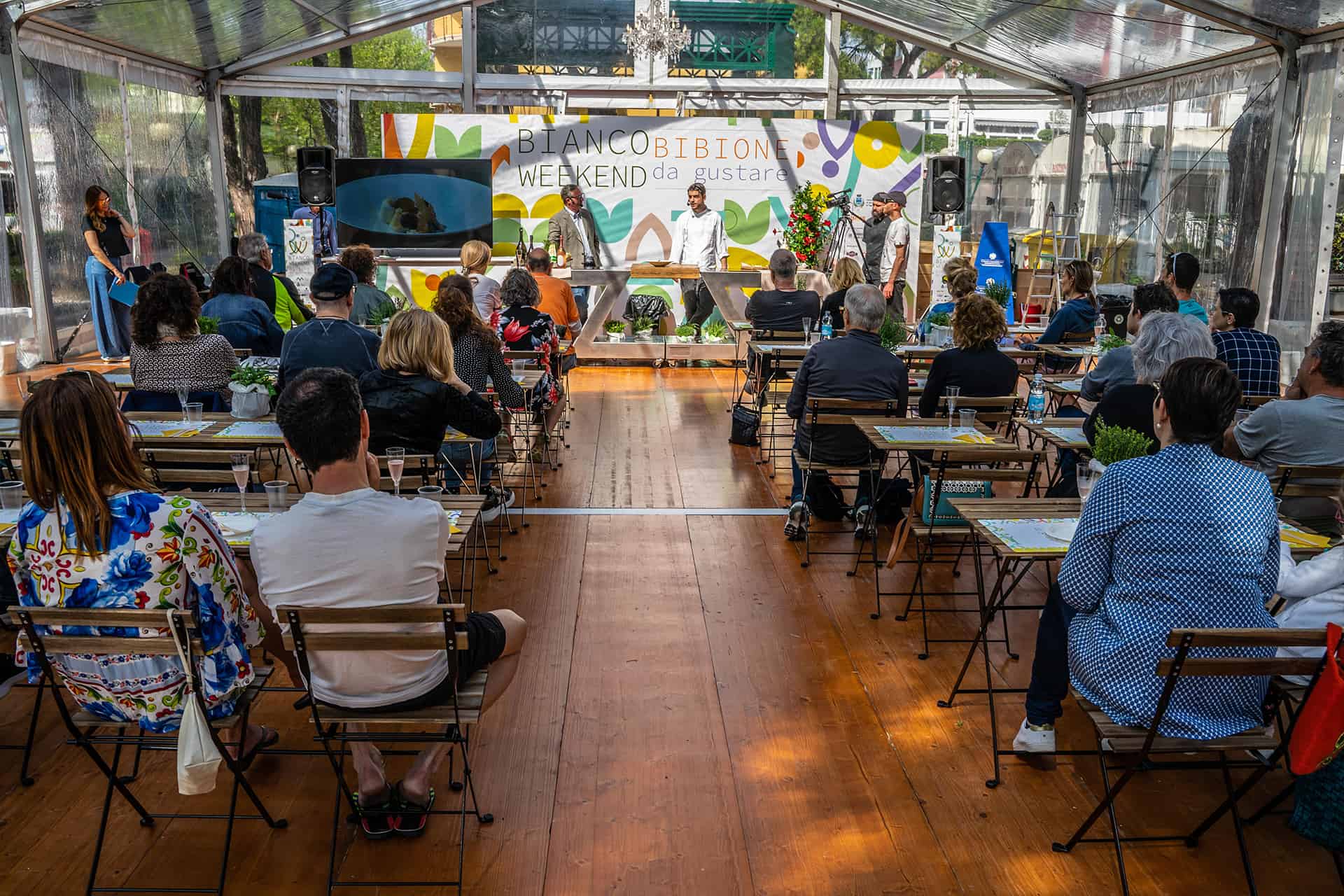
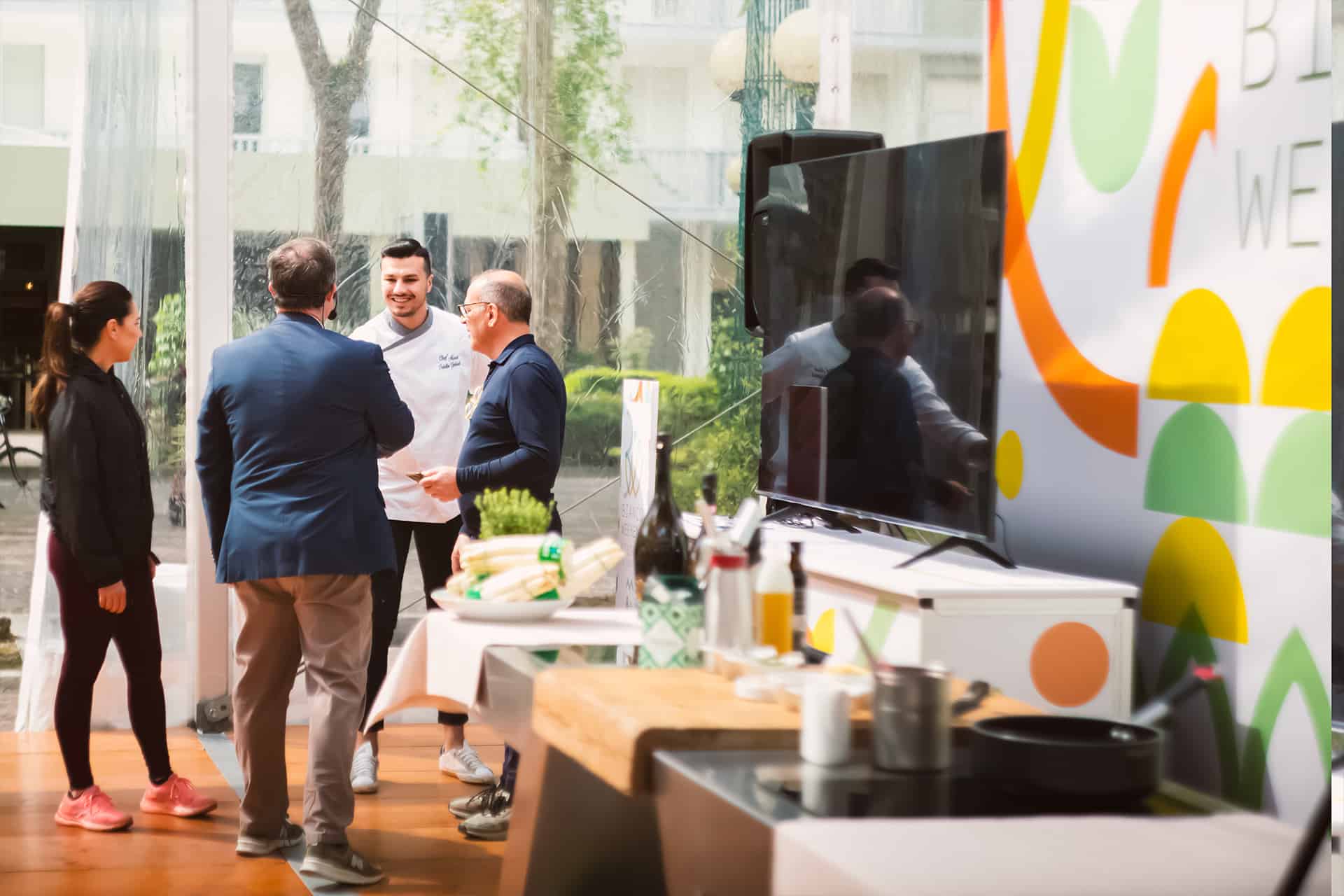
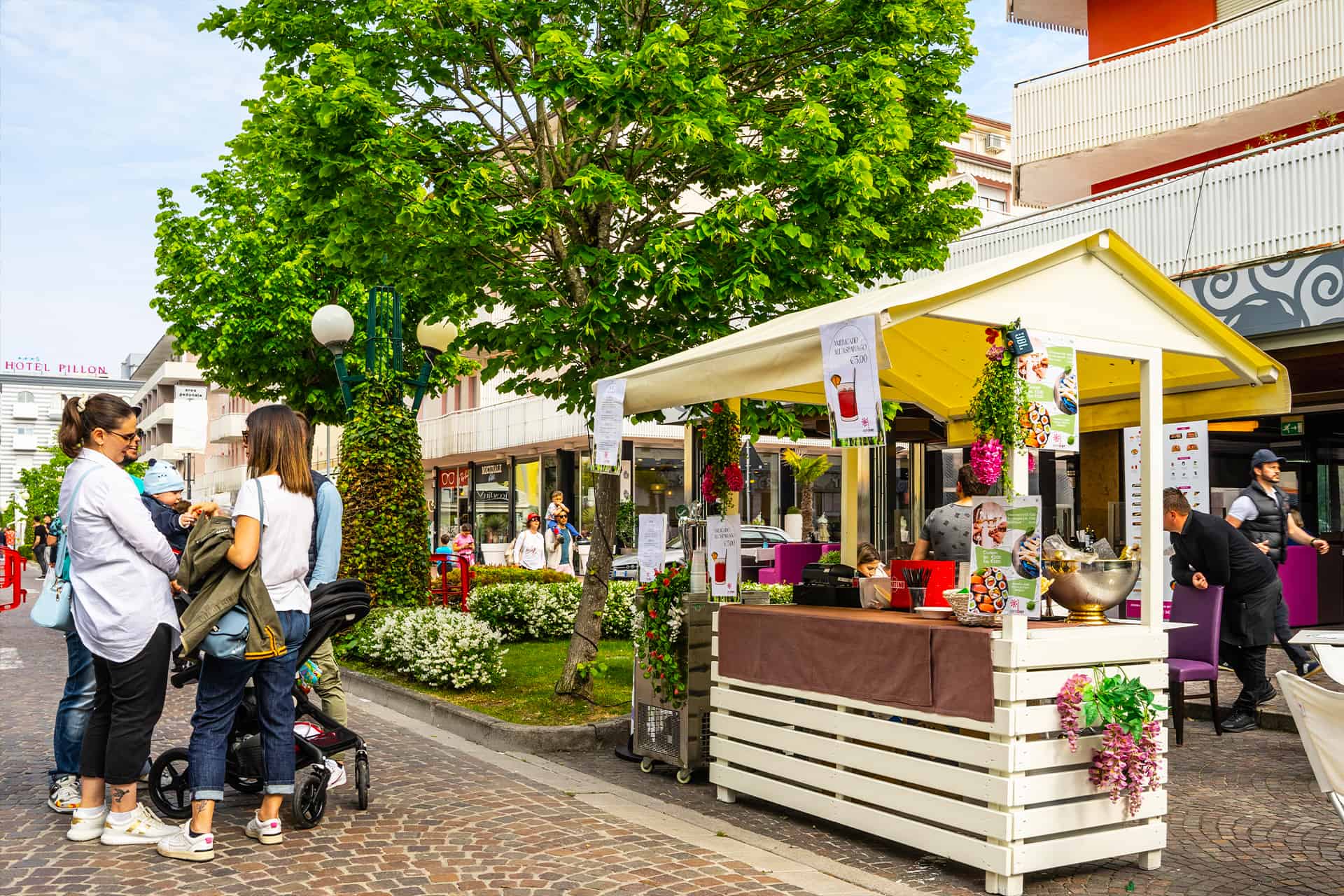
Through tastings, cooking shows, cocktail shows and talk shows, they will tell of their dishes based on the two local specialities that are the stars of this edition: white asparagus and sea buckthorn.
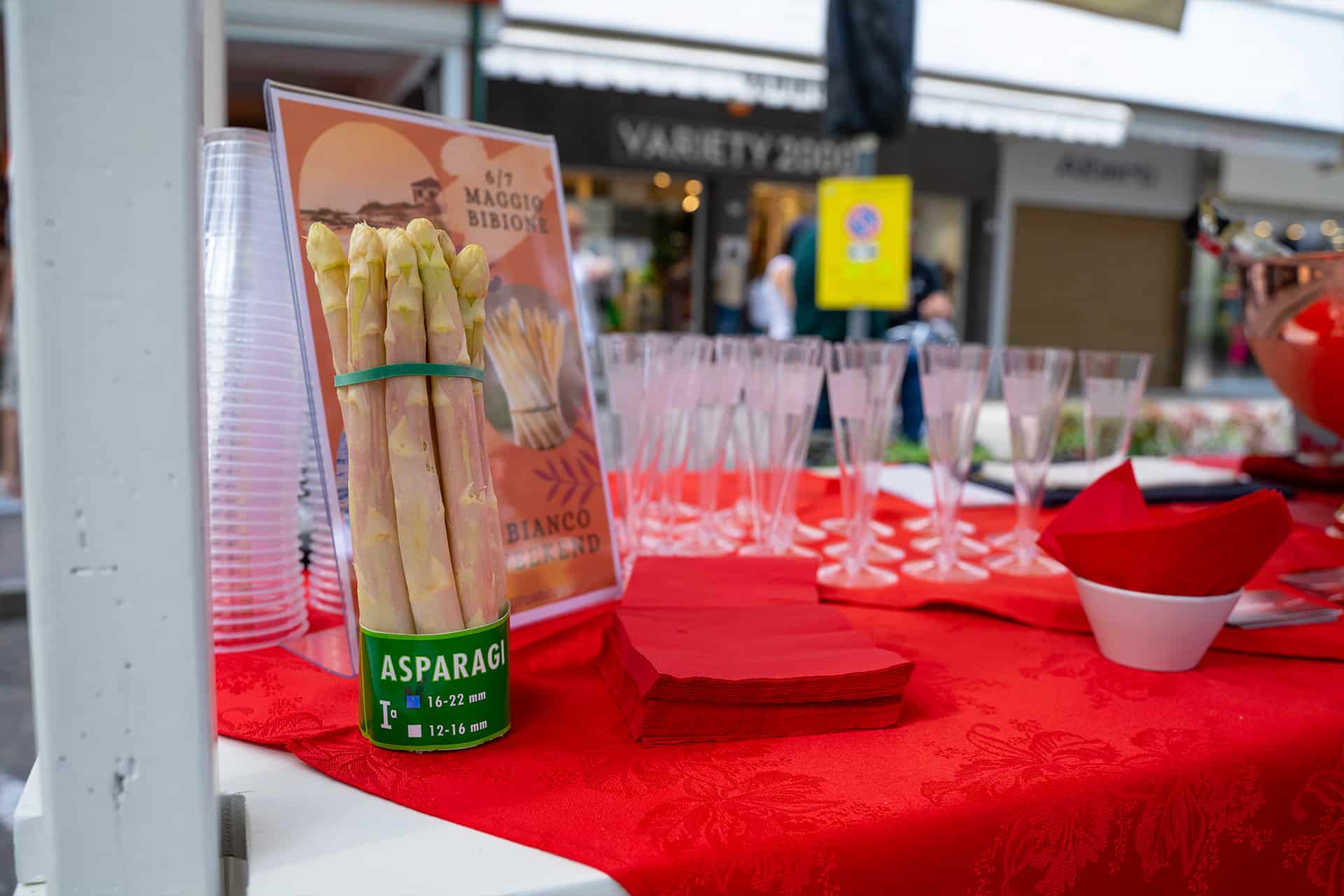
The White Asparagus
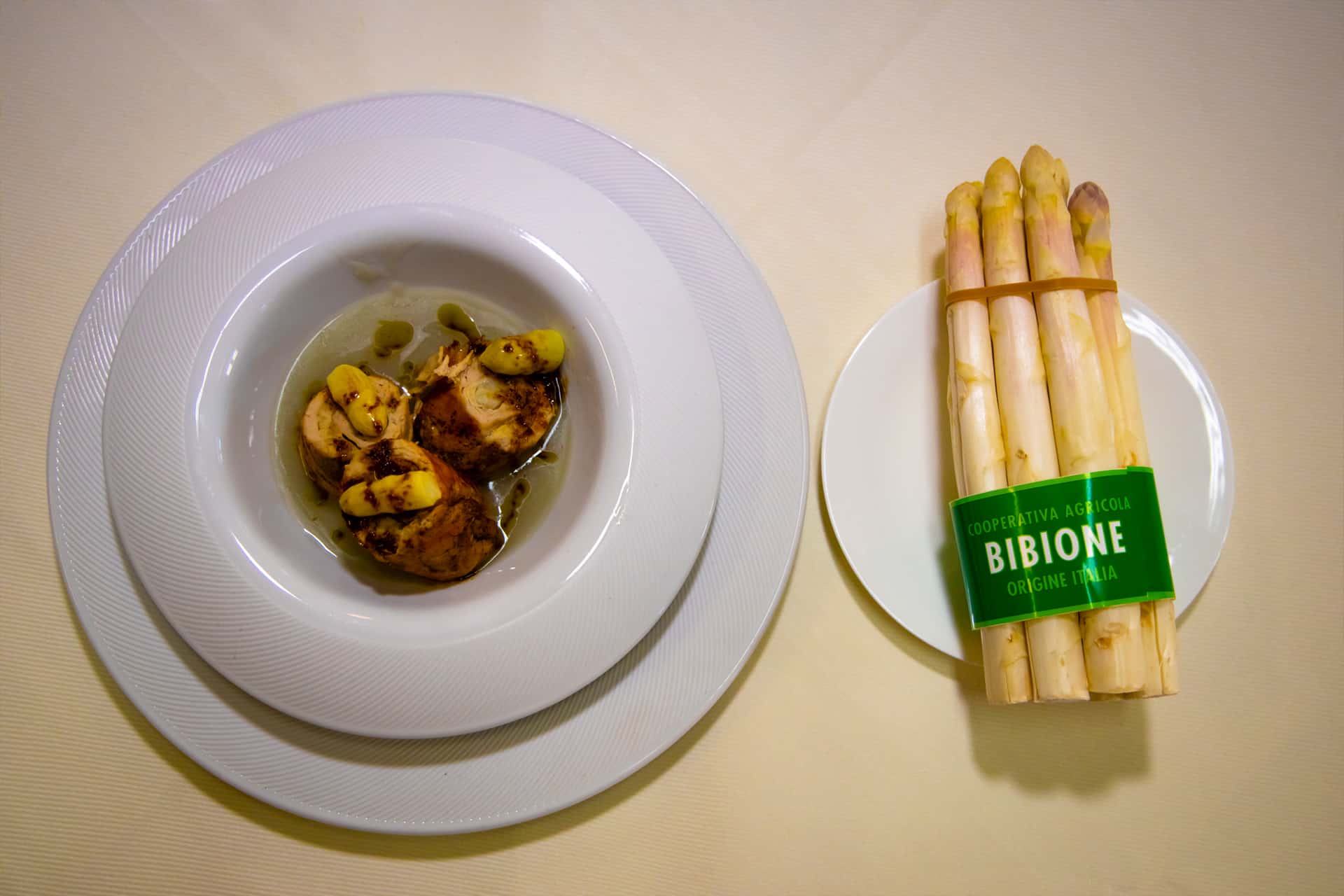
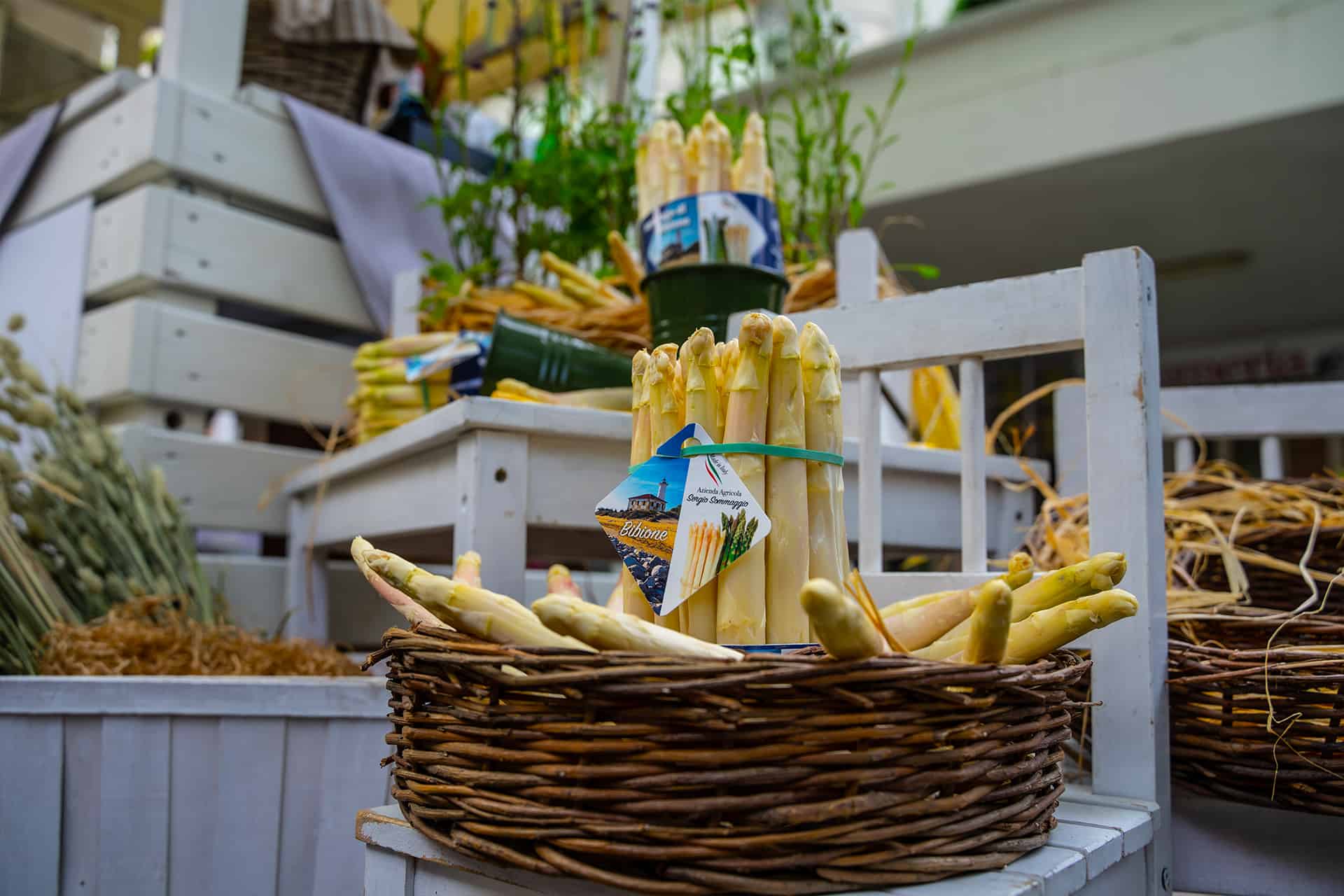
The Bibione white asparagus is a highly prized vegetable that grows in Bibione thanks to the mild, breezy climate and the particular structure and composition of the soil.
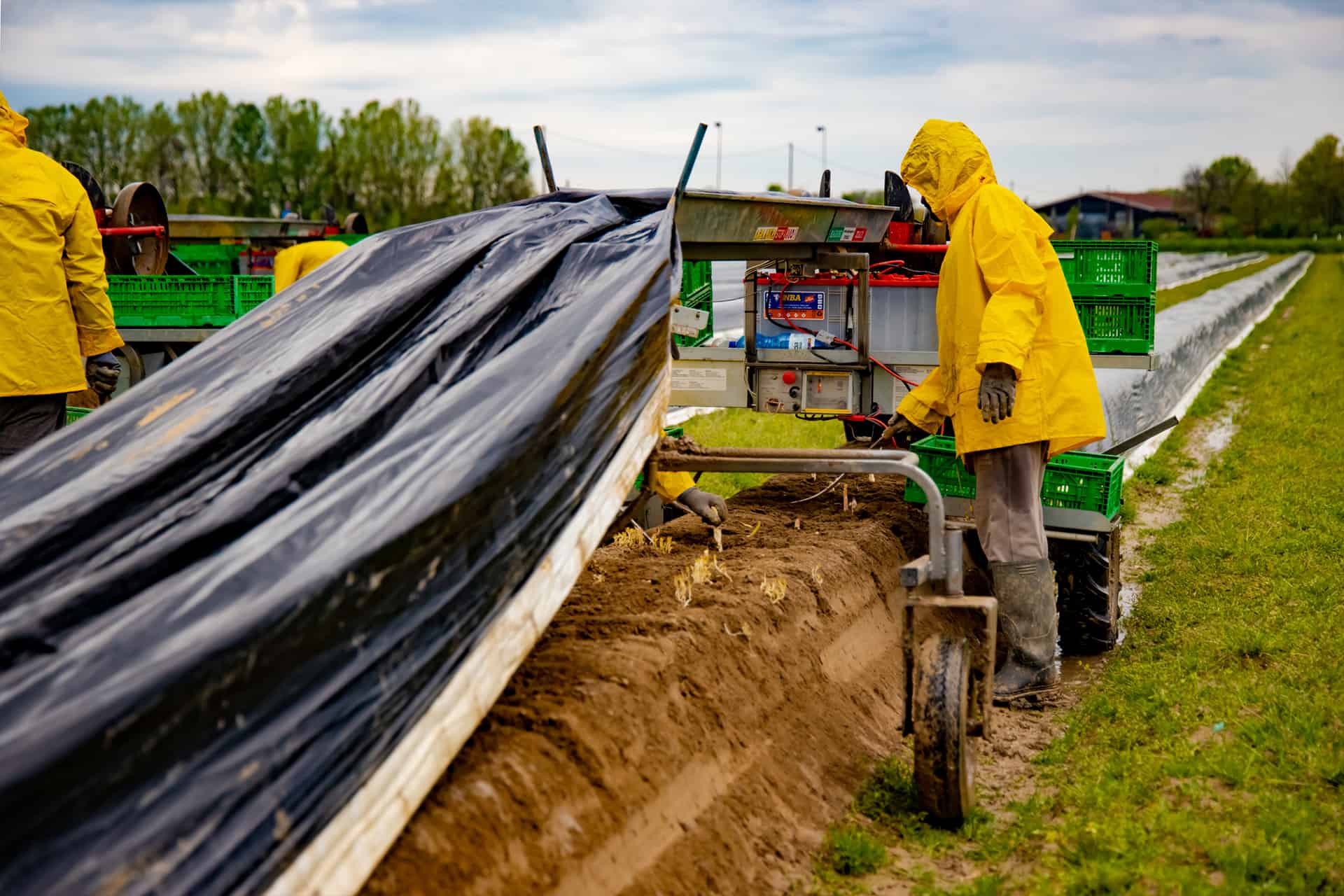
Asparagus is diuretic and has many culinary uses as it can be eaten either raw or steamed or in the preparation of countless dishes or condiments. To allow an absolutely white product to form, the asparagus is mulched with black plastic film and harvesting is strictly by hand.
In the 1960s, asparagus was introduced into cultivation by families of Istrian exiles who settled in Bibione, bringing with them the cultivation techniques of their areas of origin.
The history and tradition of Bibione’s White Asparagus is deeply linked to the ‘Bibione’ Agricultural Cooperative; a body set up in 1959, whose work has decisively contributed to improving traditional cultivation techniques and relaunching the cultivation of the vegetable.
Sea buckthorn
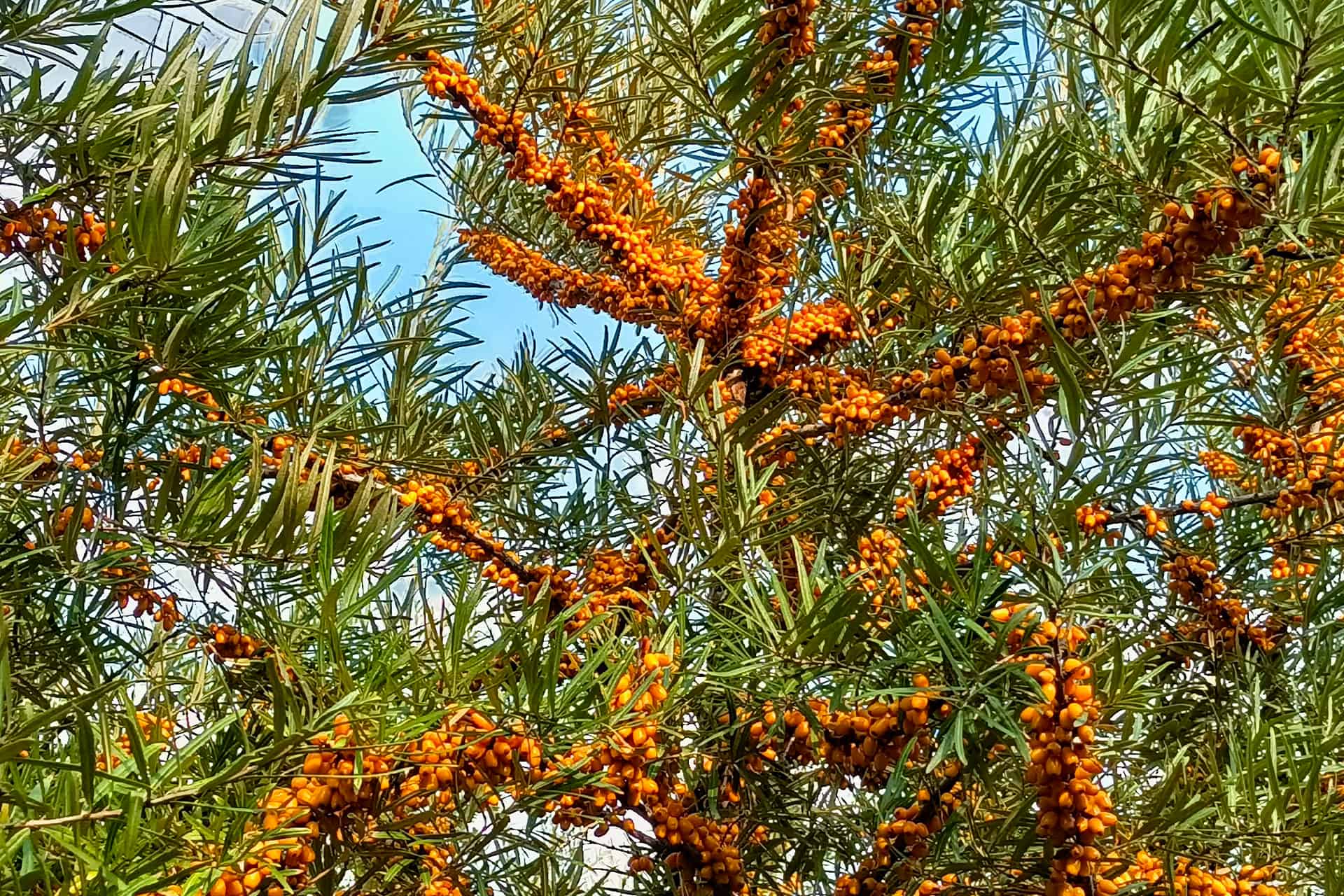
Sea buckthorn is an indigenous plant of the Tagliamento and Piave river valleys, whose regional distribution is concentrated in the central portion of the Carnic Alps and descends to the sea along the Tagliamento.
The fruits are edible and rich in omega 3-6-7-9 essential fats, vitamin C, provitamin A (carotene) and a good source of essential minerals. The basic formulation of sea buckthorn has a supportive and restorative effect, and also promotes skin trophism and function, so it is often used in cosmetics and nutraceuticals.
It can be used to make juices, jams syrups or eaten raw. The branches, leaves and root produce a yellow dye. The seeds contain an oil rich in unsaturated fatty acids, phytosterols, vitamins and provitamins A, B1, B2, B6, D3, E. The first people to discover its therapeutic value were the Hindus, Greeks, Chinese, Mongols, Celts and Slavs. The project was born from the synergy between agricultural companies and chemists with the aim of enhancing the nutritional properties of this plant.
The process devised is eco-sustainable as it involves organic cultivation, a zero km supply chain, 100 % quality and complete recovery of processing waste.
Our excellence are waiting for you!