

Stories from the hinterland
Home » From the sea at Bibione to the roads of the Roman Empire and the Middle Ages, in the Veneto-Friuli hinterland
From the sea at Bibione to the roads of the Roman Empire and the Middle Ages, in the Veneto-Friuli hinterland
There is an invisible thread that connects the coastline of Bibione to the roads of the Veneto-Friuli hinterland: a story written over the centuries, which unfolds between the archaeological site of Iulia Concordia, now Concordia Sagittaria, the architecture of Portogruaro, the sacred walls of the Benedictine abbey of Sesto al Reghena, and ancient medieval villages such as Cordovado.
It is the story of a territory that was once the beating heart of the Roman Empire, a crossroads of roads and destinies, a place where temporal and spiritual power intertwined for centuries, leaving indelible traces that still speak to those who know how to listen.
The great crossroads of the Empire
To understand the importance of this strip of land, one must imagine Europe two thousand years ago, when Rome had laid out its roads like the arteries of an immense organism.
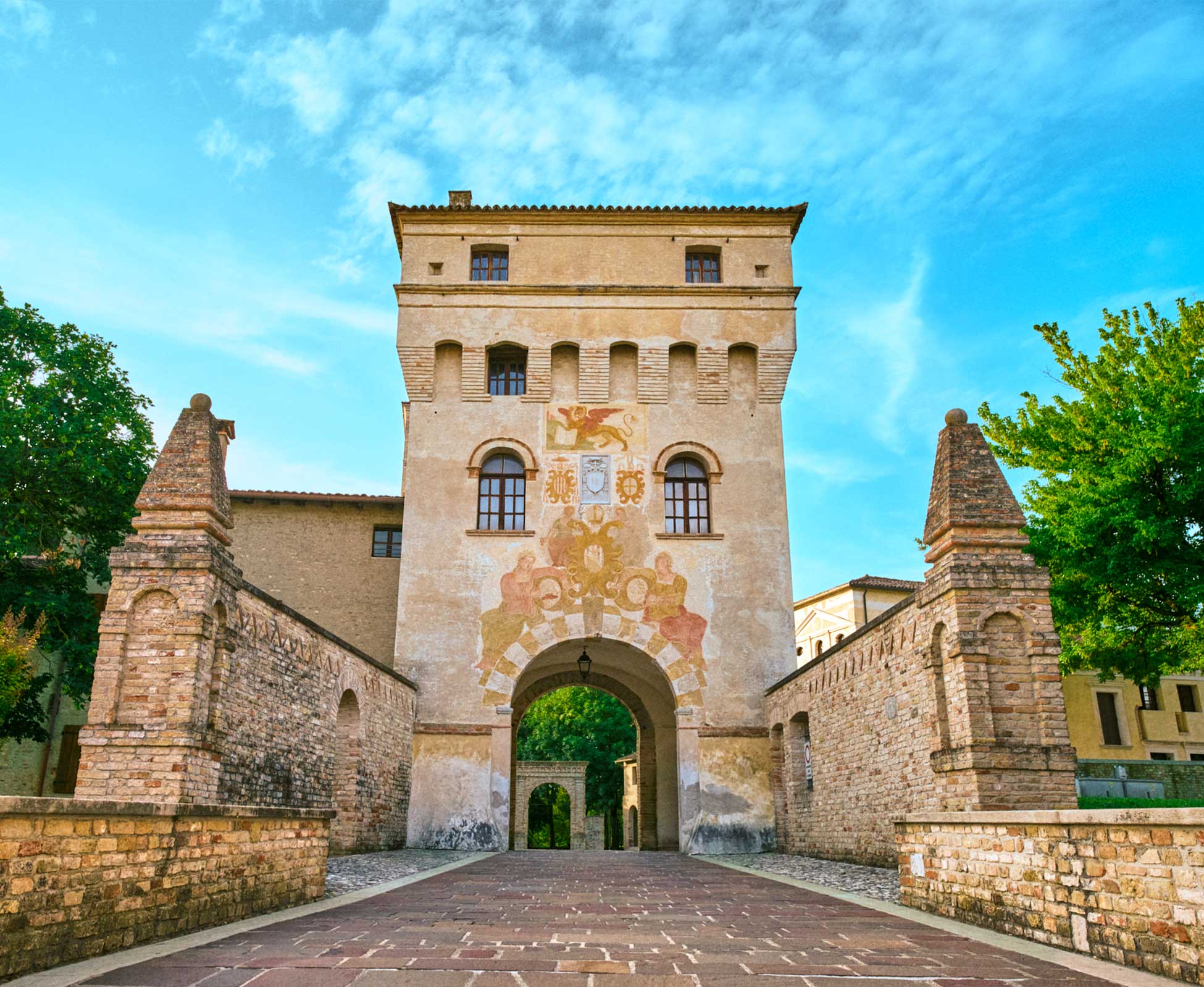
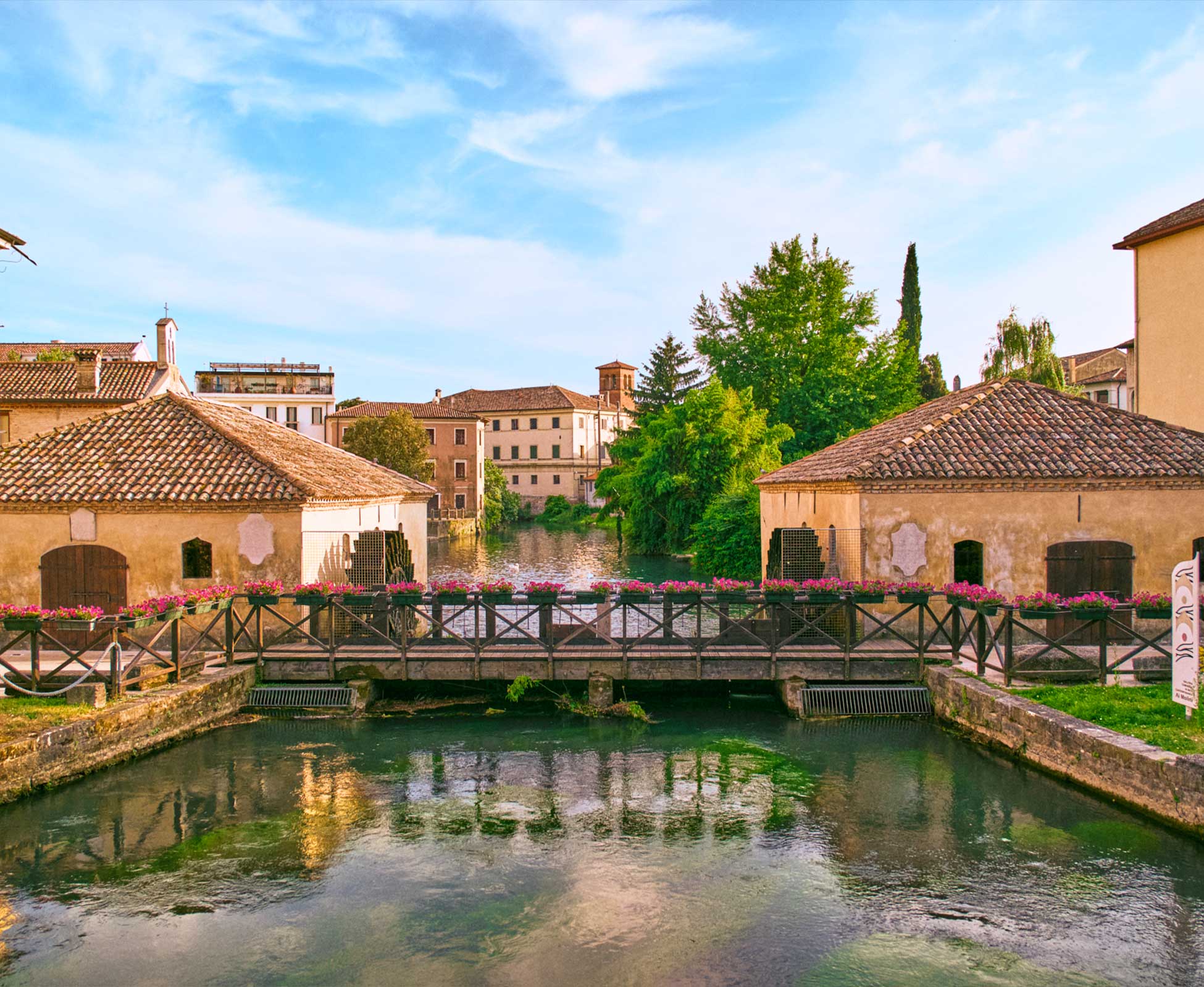
Here, where the countryside of eastern Veneto stretches out today, one of the most strategic roads of the Empire once passed: the Via Annia, which crossed the Via Postumia at the very spot where Concordia Sagittaria stands today.
In the beginning there was Aquileia, an absolute masterpiece of Roman urbanization in the Upper Adriatic, described by Pliny the Elder as “the second Rome” in terms of size and importance. Founded in 181 BC as a military colony against barbarian threats from the east, Aquileia soon became the economic and strategic hub of the entire north-east of Italy, the gateway to the Balkans and the East.
Concordia, once known as Iulia Concordia, was founded later—according to the most widely accepted hypothesis, in 42 BC—and represented Rome’s ability to transform a border territory into a center of civilization and prosperity.
When Aquileia became the beacon of Christianity for all of northern Europe, the ancient Roman military roads were also transformed into pilgrimage routes and means of spreading the Christian faith.
This dual role of the territory – commercial and spiritual – made it a gateway to Europe for Rome. Concordia Sagittaria, Sesto al Reghena, and Portogruaro were thus born in the shadow of this double heritage: Roman for the roads and structures, Christian for the soul and spiritual vocation that would characterize the entire territory for centuries.
In the footsteps of history,
The territory tells its story.
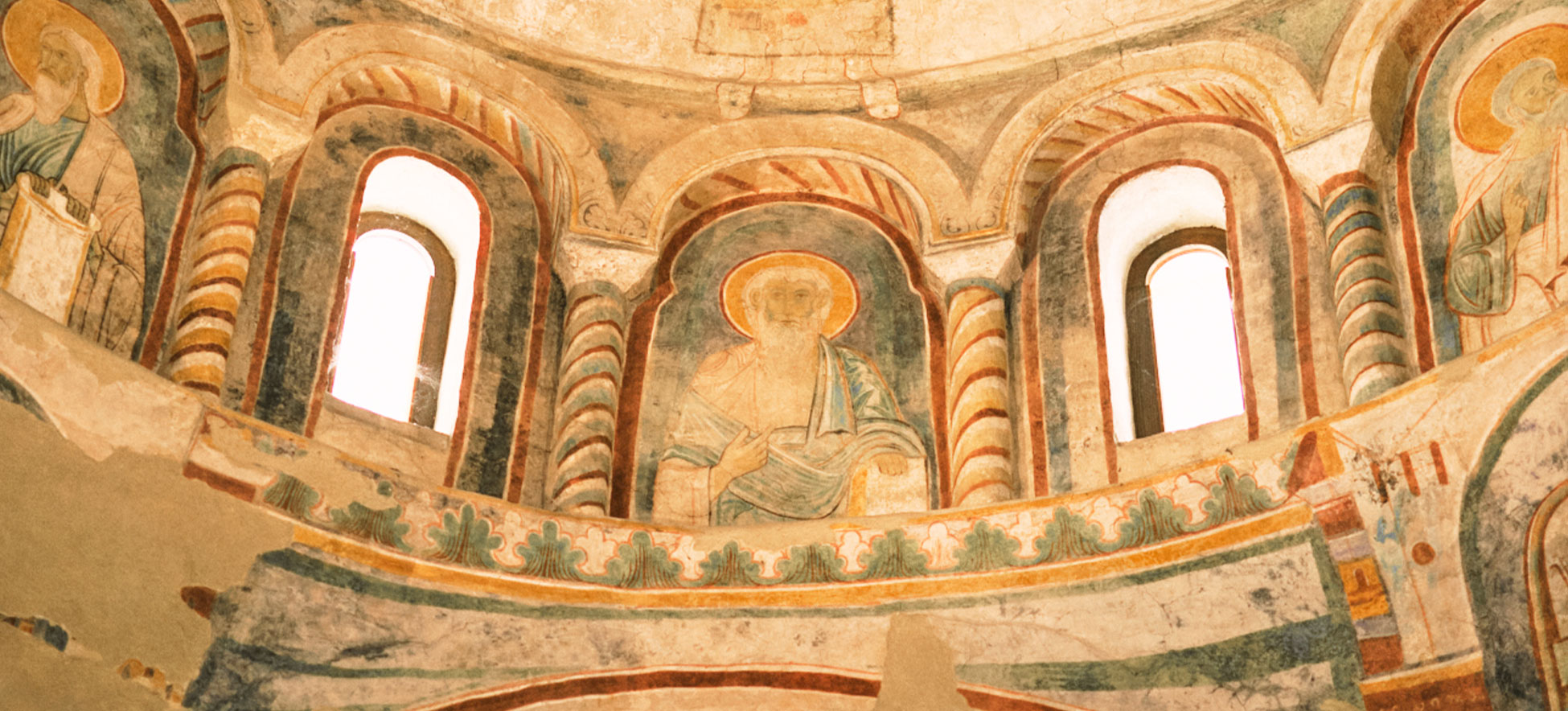
The archaeological sites of Concordia Sagittaria
Walking among the archaeological remains of Concordia Sagittaria today means experiencing the greatness of Rome firsthand.
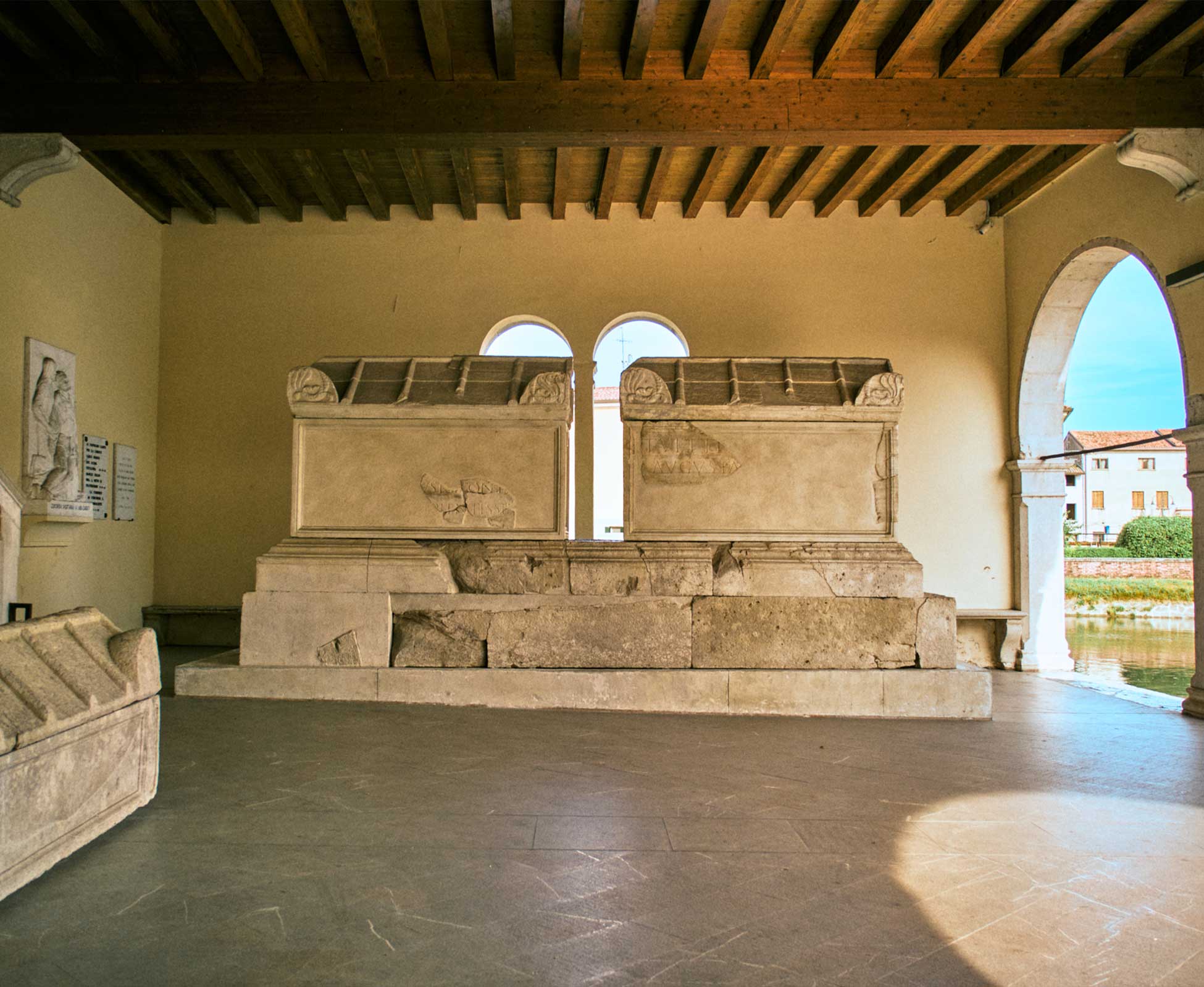
Beneath St. Stephen’s Cathedral lie the foundations of the early Christian basilica, while the Lemene River—the ancient flumen Reatinum that once connected the city to the sea via present-day Caorle—still flows silently, a reminder of ancient trade routes.
Next to the Cathedral, the 11th-century Romanesque Baptistery, with its precious contemporary frescoes, bears witness to the continuity of the Christian faith that spread from these lands to all of northern Europe under the aegis of the powerful Patriarchate of Aquileia.
But the history of Concordia is also a story of destruction and rebirth. In the mid-5th century AD, the Huns, led by Attila, after taking over Aquileia, laid siege to Concordia and razed it to the ground.
However, life did not completely die out, as evidenced by the fact that the bishopric remained in Concordia, becoming a beacon of nascent Christianity over the centuries.
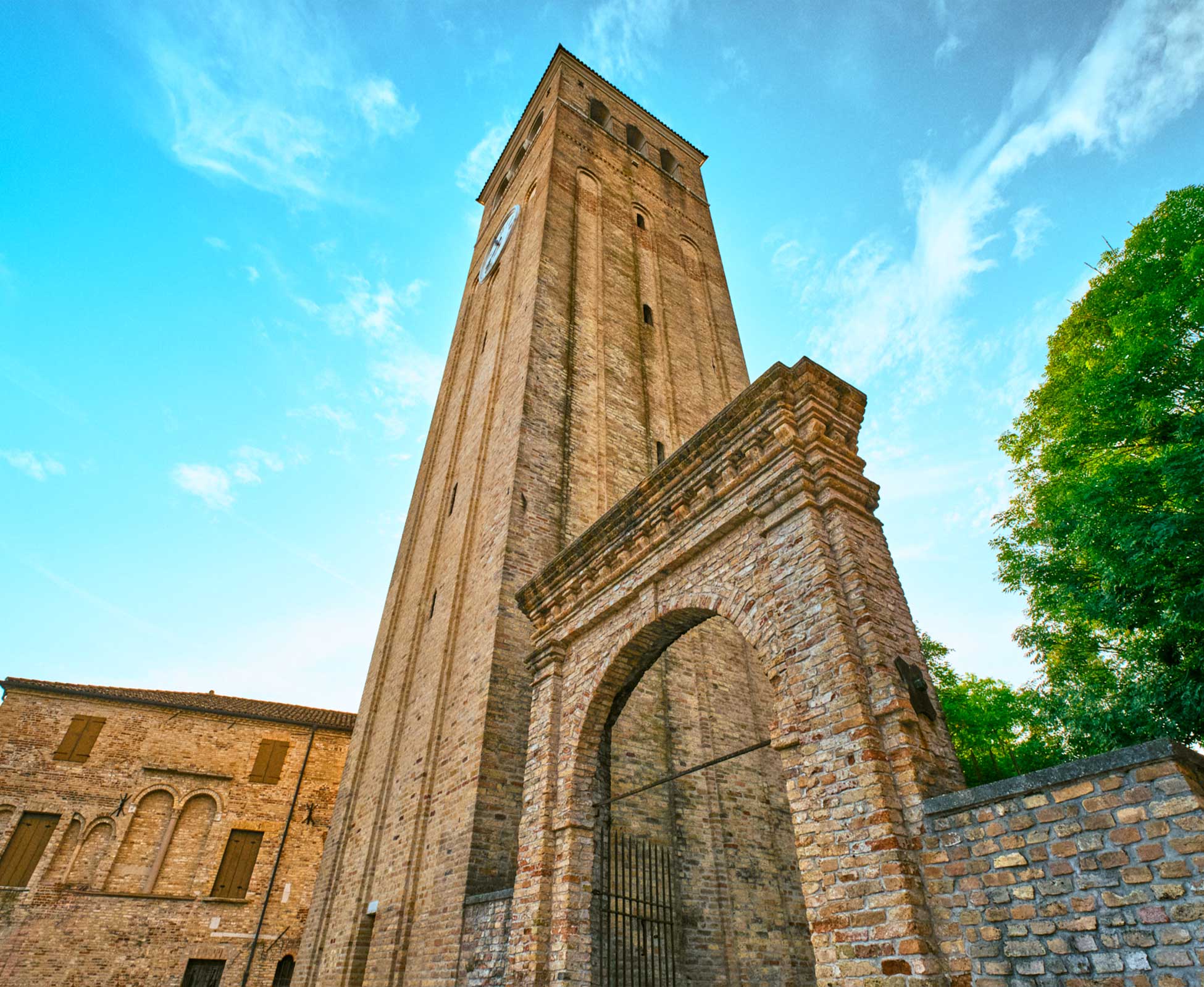
Portogruaro: daughter of the waters
Legend has it that Portogruaro rose from the ashes of Iulia Concordia, when fishermen who survived the devastation wrought by the Huns transported the remaining stones further north, via the Lemene River, to a place more protected from flooding. While the legend intertwines poetry and history, reality documents that in 1140, the bishop of Concordia, Gervino, granted some merchants and port officers land to build a port and a few houses.
The territory was crossed by an important Roman road, the Via Annia, and Portogruaro most likely arose on the site of a rustic villa dependent on nearby Iulia Concordia.
The urban layout of the city is comb-shaped, with two main roads running parallel to the banks of the Lemene River. This configuration replicated the role of connecting waterways and land routes, between the transalpine and Mediterranean areas, which had been played by nearby Concordia in Roman times.
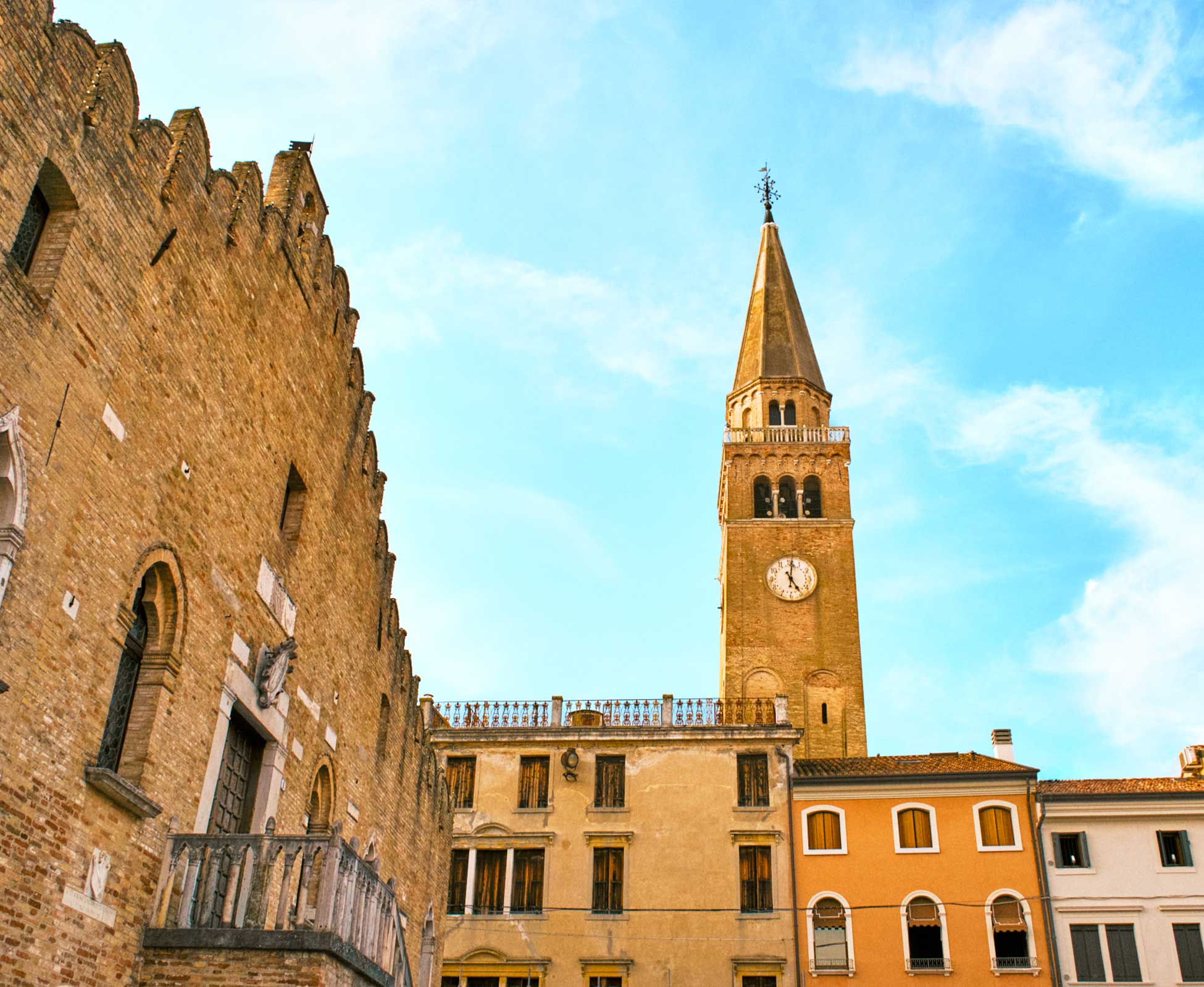
Portogruaro’s success was immediate and lasting. Under the Republic of Venice, it reached its peak, becoming an important commercial and cultural center. Its stone bridges, medieval gates, and Gothic and Renaissance palaces tell of a prosperity that has its roots in the medieval heritage but has developed over the centuries with extraordinary continuity.
Sesto al Reghena and the Abbey of Santa Maria in Silvis
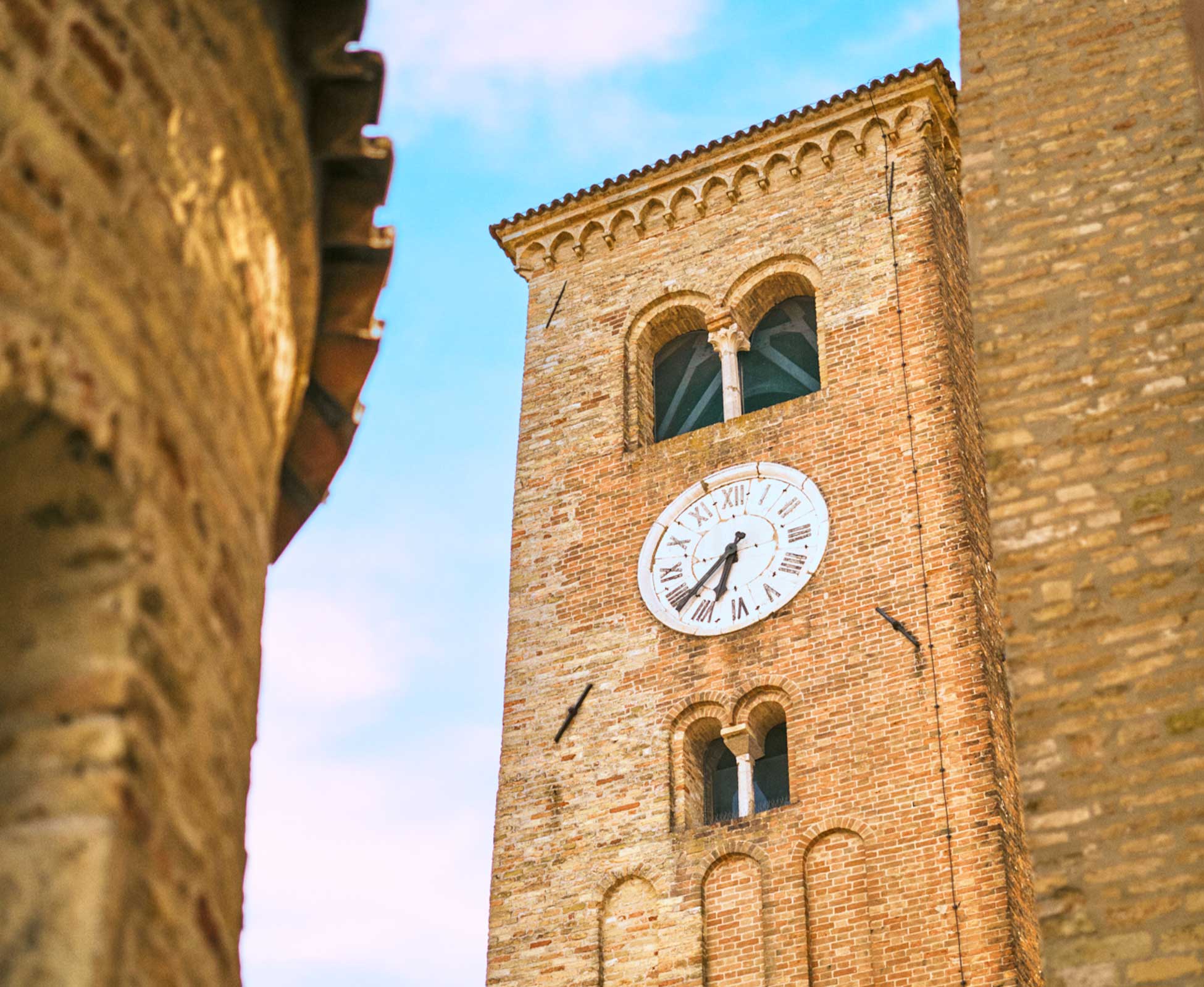
A few kilometers from Portogruaro, in the Friuli countryside, lies Sesto al Reghena, whose name reveals its Roman origins: it was a statio, or military post, located at the sixth milestone on the road connecting Concordia with Noricum, the Roman province towards Germany. But while Rome had planted a milestone here, the Lombards built a soul.
The Abbey of Santa Maria in Silvis was founded around the first half of the 8th century by three Lombard brothers, Erfo, Anto, and Marco, sons of Duke Pietro of Friuli and Piltrude of Cividale. In 762, with a solemn act drawn up in the abbey of Nonantola, the founders donated all their considerable wealth for the construction of the monastery, transforming a Roman military outpost into a spiritual center destined to become one of the most important in Europe.
The abbey prospered under Charlemagne, who granted it privileges and immunities in 781, but it also suffered devastation: in 899, the Hungarians completely destroyed it. However, like Concordia Sagittaria, Sesto also rose from the ashes. Between 960 and 965, Abbot Adalbert II began the work of reconstruction, and the abbey increased its power not only on a religious level, but also on a civil level, taking on the appearance of a medieval castle with its defensive system of towers and moats.
Today, Sesto al Reghena is home to an incredibly fertile cultural community, which organizes internationally renowned musical events throughout the year.
Cordovado and places of literary inspiration
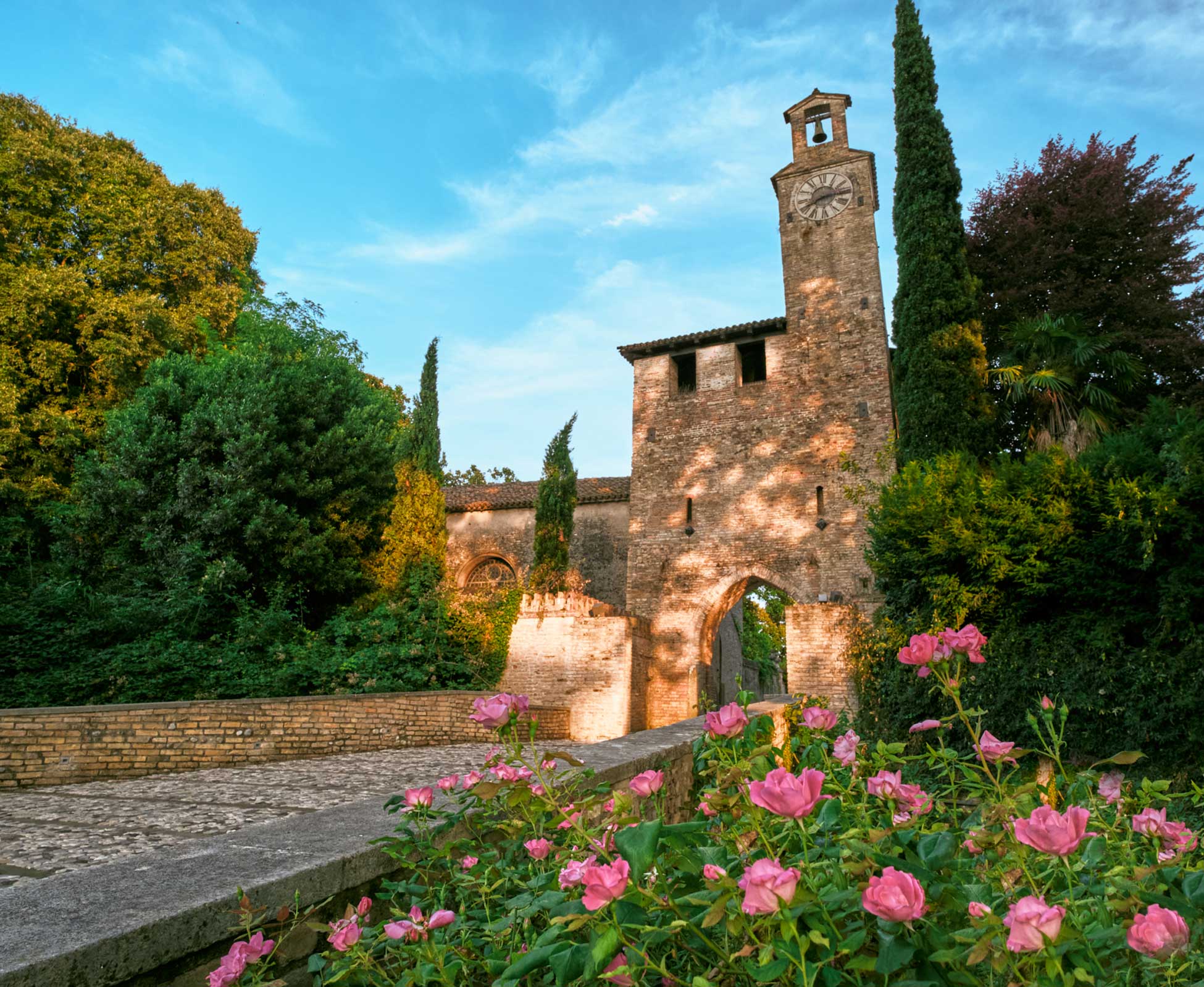
Cordovado, a medieval village that over the centuries has become one of the literary landmarks of Friuli Venezia Giulia, is part of this historic landscape.
Here, at the Fontana di Venchiaredo, Ippolito Nievo and Pier Paolo Pasolini found inspiration, demonstrating how this area continues to generate beauty and culture through the millennia.
It is significant that it was precisely in these places, where Rome had built its roads and military garrisons, that Italian literature found some of its most authentic voices.
The village preserves the charm of Venetian architecture, with its courtyards and palaces that tell of a prosperity built on trade along the ancient waterways.
Here, as in Portogruaro, one can perceive the legacy of the system of connections that Rome had created and that Venice transformed into a commercial and cultural network.
The rule of Venice: continuity in transformation
In 1420, all these territories – Concordia, Portogruaro, Sesto al Reghena, and Cordovado – became part of the Republic of Venice, marking the beginning of a new chapter in their history. Venice knew how to make the most of the legacy of the past, transforming Portogruaro into an important administrative and commercial center, protecting Concordia as a bishopric, entrusting the abbey of Sesto to prestigious patrician families such as the Grimani, and allowing villages such as Cordovado to flourish as centers of culture and commerce.
This transition represented an extraordinary historical continuity: territories that had been crossroads of the Roman Empire became hubs of the Venetian commercial network. The same waterways that had carried the legions to Noricum now transported goods to European markets. The Via Annia gave way to the river routes of the Lemene, but the function remained the same: to connect Italy to the heart of Europe.
Layered time
Traveling today through the hinterland from Concordia Sagittaria to Portogruaro, from Sesto al Reghena to Cordovado, means learning a fundamental lesson about the nature of historical time. Here, the past is not just memory: it is the living substrate of the present. The Roman stones of Concordia support the foundations of the Christian cathedral, the medieval bridges of Portogruaro follow the route of the imperial roads, the Benedictine abbey of Sesto stands on the sixth mile of a consular road, while Cordovado keeps alive the cultural tradition that has always characterized this frontier land.
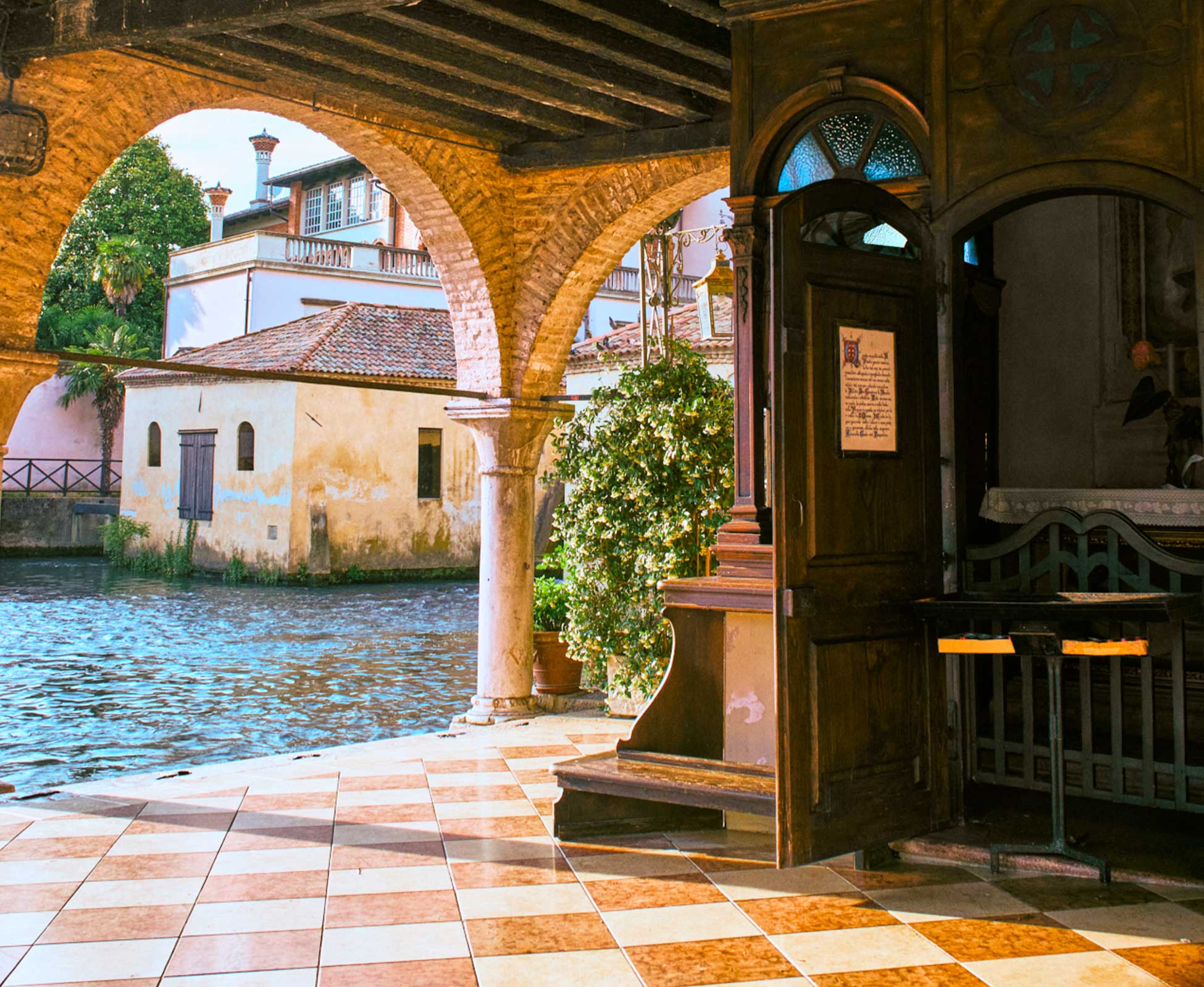
It is a territory that teaches us that true historical continuity does not lie in the immutable preservation of the past, but in the ability to bring it to life through conscious transformations. Rome made this land a crossroads of Europe; Venice turned it into a garden of civilization; today, these places offer visitors the chance to experience two thousand years of European history firsthand.
The invitation of the territory
Every village, every stone, every fresco in this area, from Concordia to Portogruaro, from Sesto al Reghena to Cordovado, extends the same invitation: to recognize in one’s personal history the same processes of transformation and continuity that have shaped these places.
In this strip of land between Veneto and Friuli Venezia Giulia, where cornfields alternate with neat rows of vines, where the resurgent canals reflect medieval towers and Romanesque bell towers, one understands that the true wealth of a territory lies not only in its monuments, but in its ability to preserve and transmit memory, continually transforming it into new life, new beauty, new hope.
Here, memory is truly the territory: alive, pulsating, always ready to reveal itself to those who know how to walk with the right pace among the stones of time.